The Photo You Didn't Choose
Try this first
Glance at the two faces below for about two seconds. Choose the one you find friendlier, and remember its number.
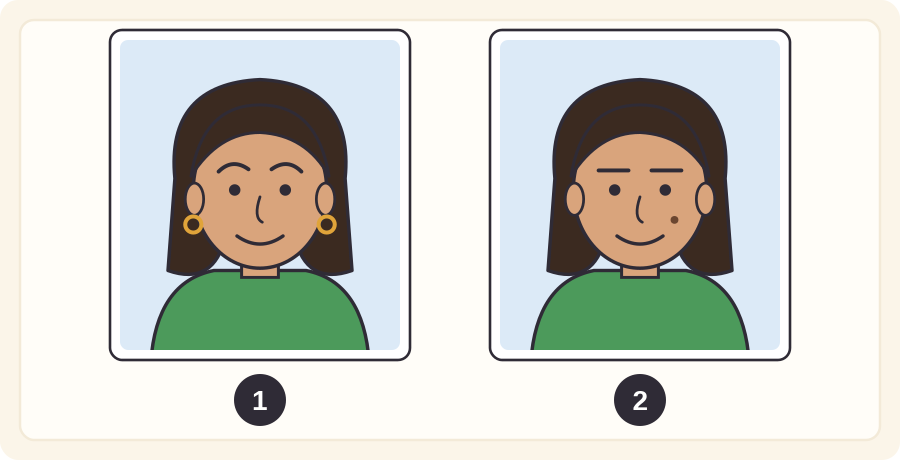
Here is the pair again. Look at the face with your number, and tell yourself one reason you chose it.
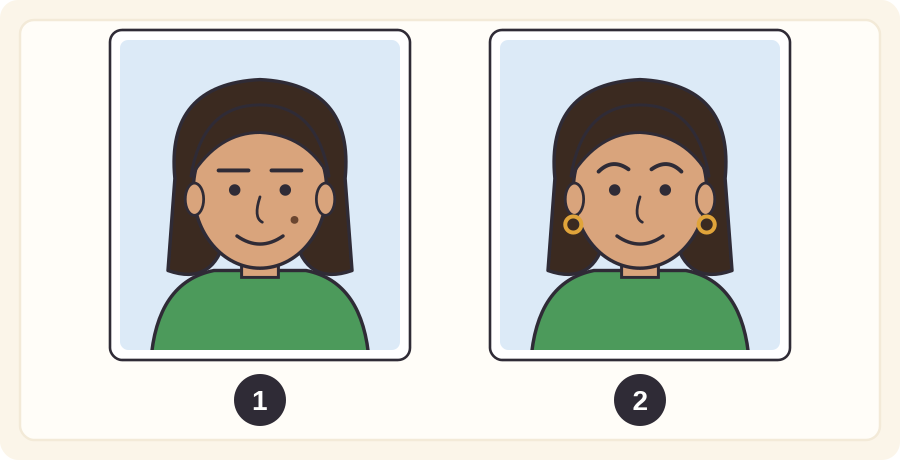
Did your reason come easily? Most people's does. Now, the question this lesson asks: was that reason really why you chose?
The swapped photo
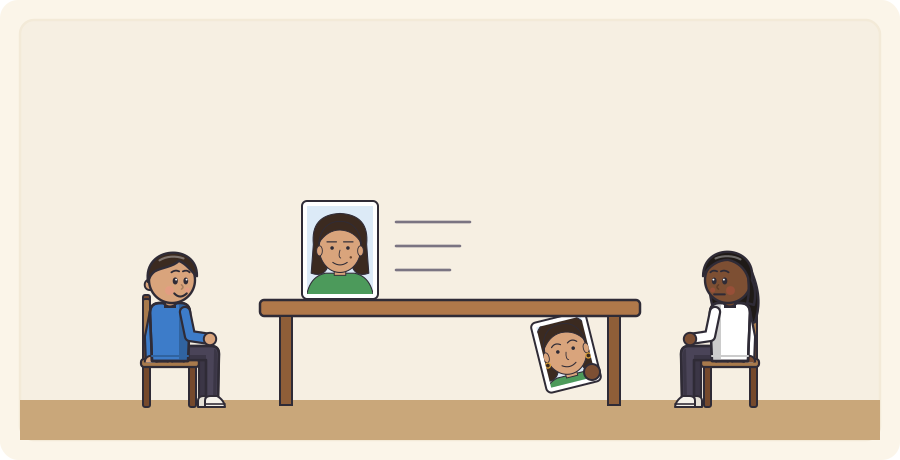
In 2005, the psychologists Petter Johansson, Lars Hall and their colleagues showed people two photos of faces, one pair at a time, and asked which face they found more attractive. The researcher then slid the chosen photo across the table and asked, "Why did you choose this one?"
But sometimes, with a magician's trick of the hands, the researcher handed over the other photo, the one the person had turned down. Most people didn't notice. And they happily explained their choice. Some named things that were only in the photo they had rejected: "I liked her earrings," when the face they had actually picked had none.
Show the answer
The two faces swapped places between the pictures. The face with your number in the second picture is the one you did not choose. If you found a reason for it without noticing, you just did what most people in the study did. (If you noticed, well done: in the study, only about 1 in 4 swaps were noticed at all.)
Not just faces
In 2010, Lars Hall and colleagues took the trick to a supermarket in Sweden. Shoppers tasted two jams, or smelled two teas, and said which they liked more. Then they tasted "their" choice again to explain it. The jars had a secret second lid, so they were really tasting the one they had turned down. Fewer than a third noticed, even when the two tastes were very different, like cinnamon-apple and bitter grapefruit.
This has a name: choice blindness, not noticing that what you chose has been swapped, and then giving reasons for the swap.
Reasons built after the choice
Introspection, looking inside your own mind, is good at what you feel now but poor at telling you why you choose. Choice blindness shows how poor. Often the mind doesn't look up the reason it used. It builds a reason after the choice, from whatever is in front of it. That is usually harmless: the reason fits, and it helps us explain ourselves to others. But it means a reason that feels sure can be one you made up a moment ago.
What helps
Write your reasons before you choose. Before picking a phone, a course or a flat, note the two or three things that matter most. Afterwards, compare the choice with the note. If they don't match, that's worth knowing.
Try it on a friend
- Put two similar snacks or drinks in front of a friend, and ask which they like more and why.
- A minute later, ask them to explain their choice again, without the snacks in front of them.
- Compare the two sets of reasons, and talk about where they came from.
Words to know
- choice blindness - not noticing that what you chose has been swapped, and explaining the swap as your choice
Big idea
The reason you give for a choice is often built after it. Write your reasons down before you choose.