The Best Explanation
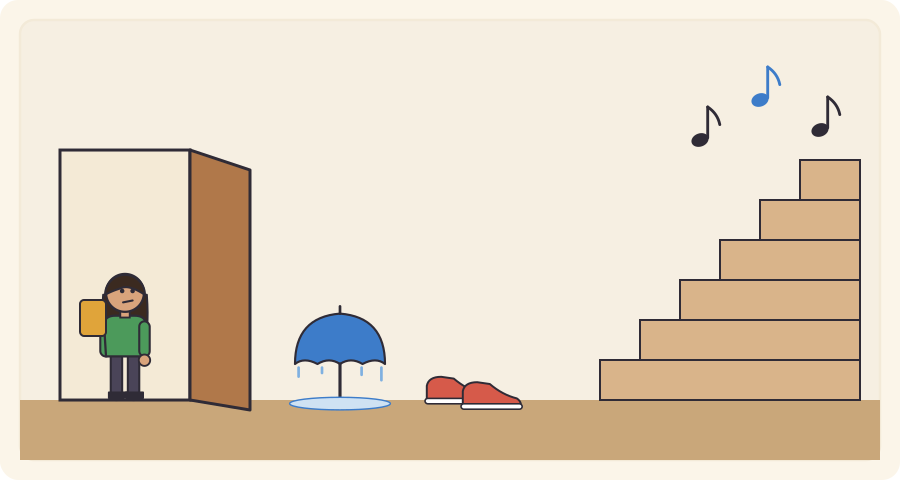
Zara comes home from school. The front door is unlocked. In the hall there is a wet umbrella, dripping on the floor. Her brother Kian's shoes are by the door, and music is coming from upstairs - the kind Kian likes. Zara hasn't seen Kian. And yet she calls out, "Hi, Kian! Is it still raining?" How does she know he is home, and that he came in from the rain?
Asking "what would explain this?"
Zara didn't see Kian come in. She worked it out. She looked at what was in front of her - the door, the umbrella, the shoes, the music - and asked: what would explain all of this? That is a way of finding out that we use every day, usually without noticing.
Comparing explanations
Usually more than one explanation could fit. Zara could think of others:
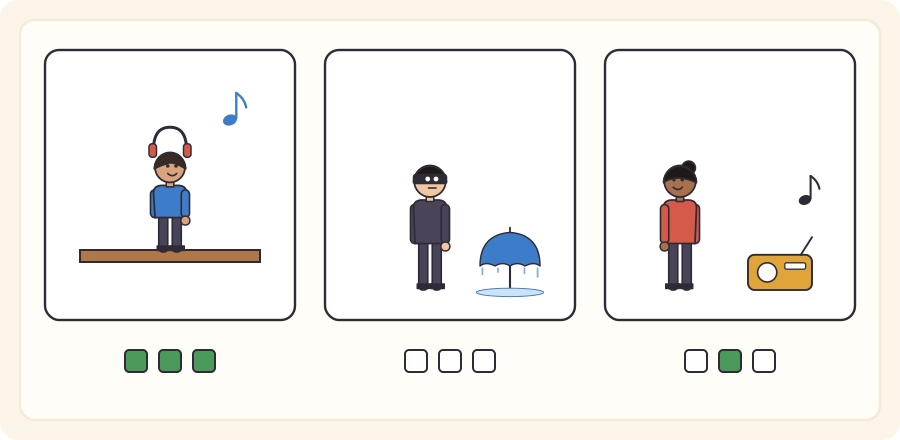
- Kian came home from the rain and is listening to music upstairs.
- A stranger with an umbrella broke in, took off Kian's shoes, and put on Kian's music.
- Mum came home, put Kian's shoes by the door, and left the radio on.
How does she choose? She asks three questions about each one.
- Does it explain everything? The first explains the door, the umbrella, the shoes and the music. The third doesn't explain why the umbrella is wet and Mum's coat isn't there.
- Is it simple? The stranger story needs many strange things to happen at once.
- Does it fit what else I know? Kian finishes school early on Tuesdays, and it is Tuesday. Strangers rarely break in to play music.
The first explanation wins on all three. It is the best explanation.
Philosophers call this inference to the best explanation, a name given to it by the American philosopher Gilbert Harman in 1965. "Inference" just means working something out from what you already have. A detective does it with clues, a doctor with symptoms, a mechanic with the noises a car makes.
The best can still be wrong
The best explanation is the best one you have thought of. If you haven't thought of the true one, the best of your list may still be wrong. Maybe Kian lent his umbrella and shoes to a friend who came round. So a careful thinker keeps two habits: she tries to think of more explanations before choosing, and she stays ready to change her mind when a new fact turns up - like a voice from upstairs that isn't Kian's.
Try it at home
- Next time you come home, look for three clues about who is there or what happened (a coat, a smell of cooking, a light on).
- Write down at least three explanations, including one silly one.
- Score each one: does it explain everything, is it simple, does it fit what you know? Then check.
Words to know
- explanation - an answer to "why is this so?" or "what made this happen?"
- best explanation - the one that explains everything, is simple, and fits what else you know
- inference - working something out from what you already have
Big idea
When you can't see what happened, ask which explanation would explain everything, most simply, and fits what you know. That is how detectives and doctors work - but the best explanation is only the best you have thought of, so keep looking.