A Good Knower
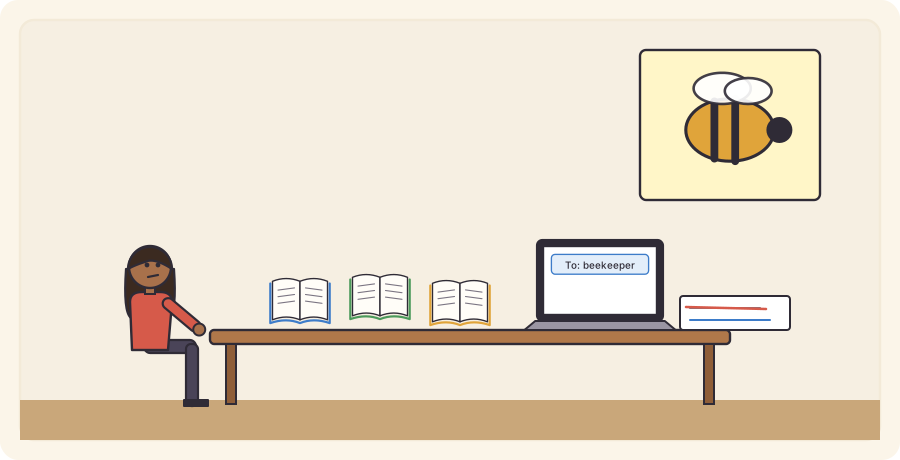
Hana and Ravi are doing a school project on why the bees in their town are disappearing. Ravi finds one website, copies its answer, and stops. When a classmate says something different, he gets cross. Hana reads three sources, notices they disagree, writes to a beekeeper, and checks a surprising claim twice. When the beekeeper says one of her ideas is wrong, she changes it. Both hand in a project. Who is the better knower?
More than facts
This whole course has been about knowing well: lucky knowledge, chains of reasons, evidence that points, people who disagree, the ways we fool ourselves. Underneath all of it there is a simple idea. Knowing well depends not only on what is in your head, but on how you go about finding out.
Some philosophers think this is the heart of knowledge. They compare it to good character in ethics: just as a kind or brave person has good habits of acting, a good knower has good habits of mind. They call them intellectual virtues - "intellectual" means to do with thinking, and a "virtue" is a good habit.
Five habits
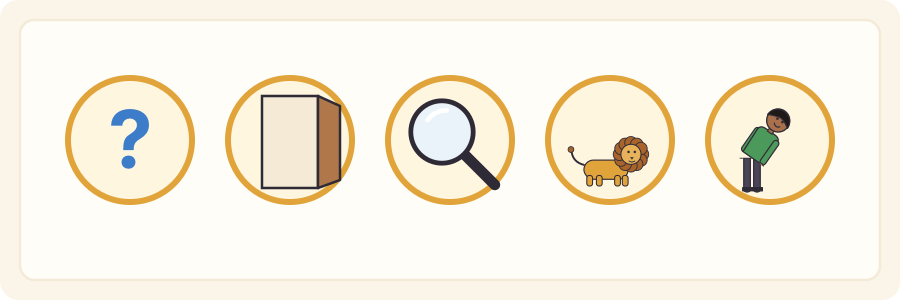
Here are five that come up again and again. Each one is a part of this course in one word.
- Curiosity - wanting to find out, and asking "why?" and "how do you know?" (Theo and his chain of whys).
- Open-mindedness - listening to views you don't share, and taking them seriously (the When Friends Disagree and A Closed Circle lessons).
- Carefulness - checking a surprising claim, counting the base rate, looking for the first-hand source.
- Courage - saying "I think that's wrong" when it is, even when everyone around you agrees.
- Humility - knowing the limits of what you know, and changing your mind when the evidence changes.
Too much or too little
As with good character, each habit can go wrong in two directions. Too little open-mindedness, and you never learn. Too much, and you believe whatever the last person said. Too little humility, and you stop learning; too much, and you never dare to say anything. The good knower is in between: open but not empty, sure but not stubborn.
Ravi wasn't foolish. He just didn't use these habits that day. Anyone can learn them, the same way anyone can learn to ride a bike: by practice, a bit at a time.
Try it at home
- Which of the five habits do you already have? Which is hardest for you?
- Think of the best knower you have met - a teacher, a relative, a friend. Which habits did they show?
- Pick one habit and practise it this week, on purpose, once a day.
Words to know
- intellectual virtue - a good habit of mind that helps you find out the truth
- curiosity, open-mindedness, carefulness, courage, humility - five intellectual virtues
Big idea
Knowing well is a matter of character as well as facts. Curiosity, open-mindedness, carefulness, courage and humility are habits of mind - and like riding a bike, they grow with practice.