Do You Know Your Own Mind?
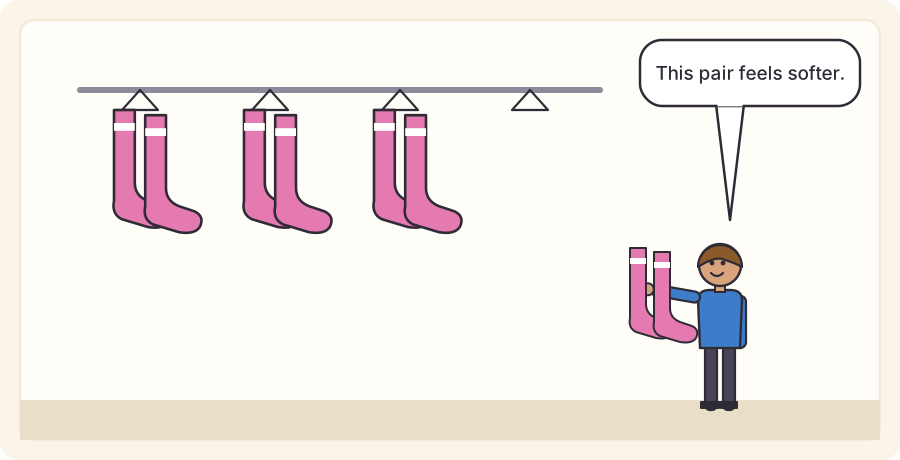
In a shop, four pairs of socks hang in a row on a table, and a sign asks shoppers to choose the best pair. Most people pick the pair on the far right. When asked why, they say: "It feels softer," or "The colour is nicer." But the four pairs are exactly the same. Nobody mentions that they simply chose the last one in the row. When asked, "Could the position have mattered?", almost everyone says no. Did they know why they chose?
Looking inside
Introspection means looking inside your own mind: noticing what you feel, think, want and remember. It seems like the one place where you can't be wrong. Who knows your mind better than you?
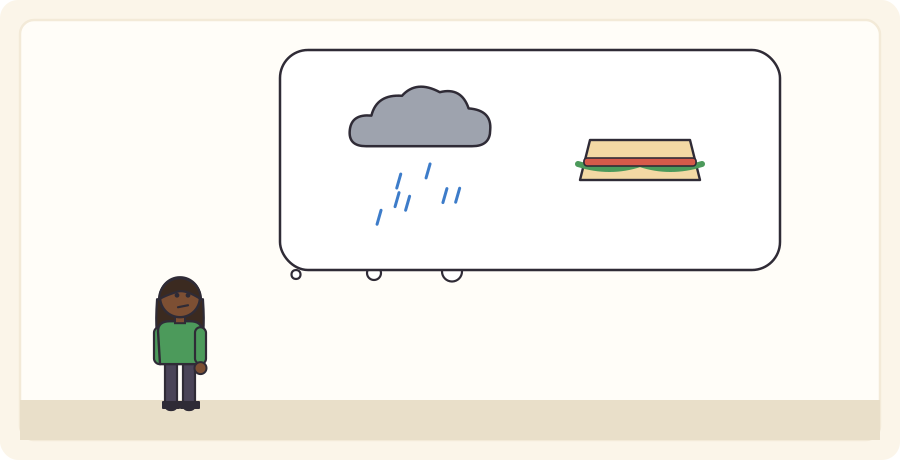
For some things, that is right. If you are in pain, you know it, as the Where Reasons Stop lesson said. If you are thinking about lunch, you know that too.
The reasons we give
But the shop shows something stranger. The psychologists Richard Nisbett and Timothy Wilson ran a test like this in 1977. The shoppers were sure of their reasons. They didn't feel they were guessing. And yet the real reason - where the pair hung - was one they never saw, and the reasons they gave were made up after the choice.
In 2005, other psychologists went further. They showed people two photos of faces and asked which was more attractive. Then, with a trick of the hand, they gave people the photo they had not chosen and asked them to explain their choice. Most people didn't notice the swap, and happily explained why they preferred a face they had turned down.
What we know and what we guess
So introspection is good at some things and poor at others.
- Good at: what you feel right now, what you are thinking about, what you can see in your mind's eye.
- Poor at: why you did something, what moved you, what you would do in another situation. Here we often guess - using ideas about what reasons people usually have - and the guess feels like seeing.
This matters for knowledge. When someone says "I know why I did that", it is worth being a little humble, about them and about ourselves. One way to check is the way you would check anything else: from the outside. Write down why you think you choose something, then see whether your choices really follow that reason.
Try it at home
- Next time you choose between things that are almost the same (two apples, two seats on a bus), notice the reason you give yourself.
- Ask someone who watched you: did they see another reason - which was closer, which was first?
- Think of a habit you have. Do you really know why you do it?
Words to know
- introspection - looking inside your own mind to notice what you feel, think and want
- made-up reason - a reason we give for a choice after it, which wasn't what really moved us
Big idea
You know well what you feel and think right now. You know much less well why you do what you do - people often make up reasons without noticing. Check your reasons from the outside, too.