The Earth
We have met the Sun. Now the place you are standing on right now: the Earth.
The place we live
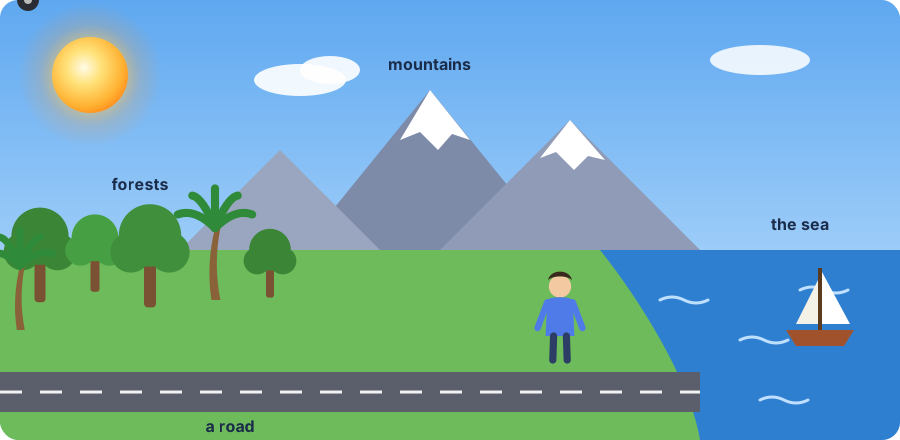
Go for a walk, or take a long trip by car, and look around: hills and mountains, rivers, seas and oceans, forests and jungles, towns and cities. All of it is on the Earth. Every person, animal and plant you have ever seen lives on it.
It looks flat, but it is a ball
Look out over a field or the sea, and the Earth looks flat. It isn't: the Earth is a giant ball, like the Sun. It is so big that the small piece you can see around you looks flat - like an ant walking on a huge football.
Flat, or a ball?
Long ago, people argued about this. Some thought the Earth was flat, like a plate. Some even said it had an edge: travel too far and you would fall off!
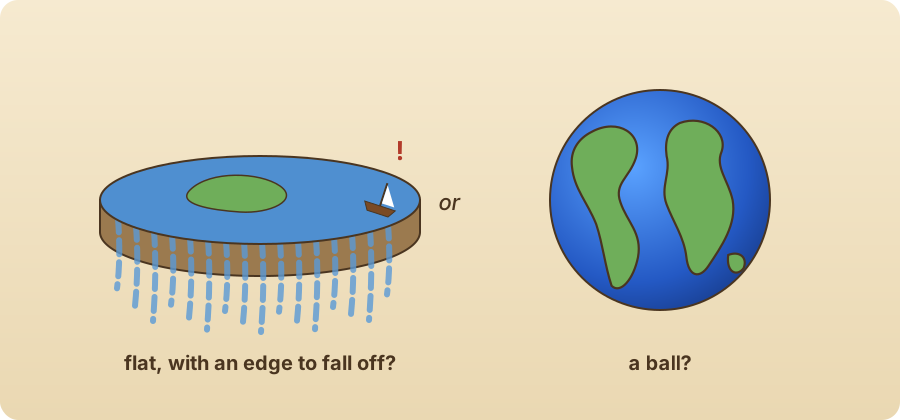
Others said it was a ball. More than 2,000 years ago, thinkers in ancient Greece had already found clues that it is round. We will look at their clues in a later lesson.
Seen from space
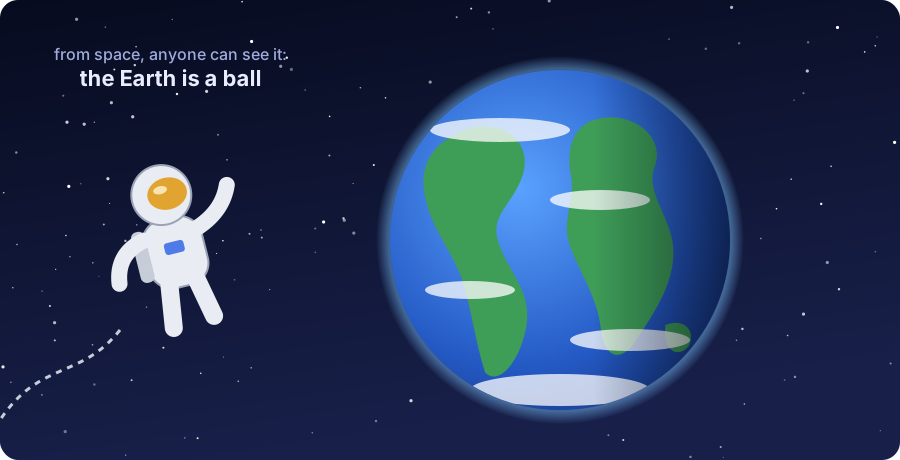
Today we don't have to guess. Astronauts fly so high above the Earth that they can see the whole of it at once. From there it is plain to see: the Earth is a round blue ball of sea and land, with white clouds around it.
The Earth and the Sun
Now that we know the Sun, we can put the two together.
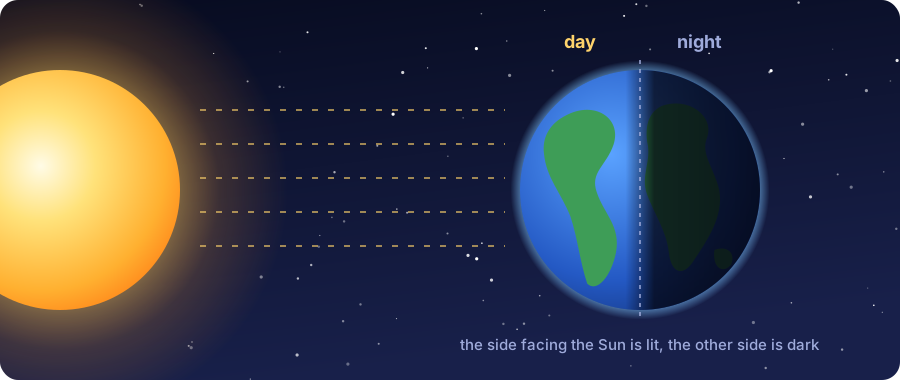
The Sun gives the Earth its light and heat. The Earth makes no light of its own, and the Sun can only light one side of a ball at a time. So half of the Earth is always in sunlight and half is in shadow. Keep that in mind - it comes back soon.
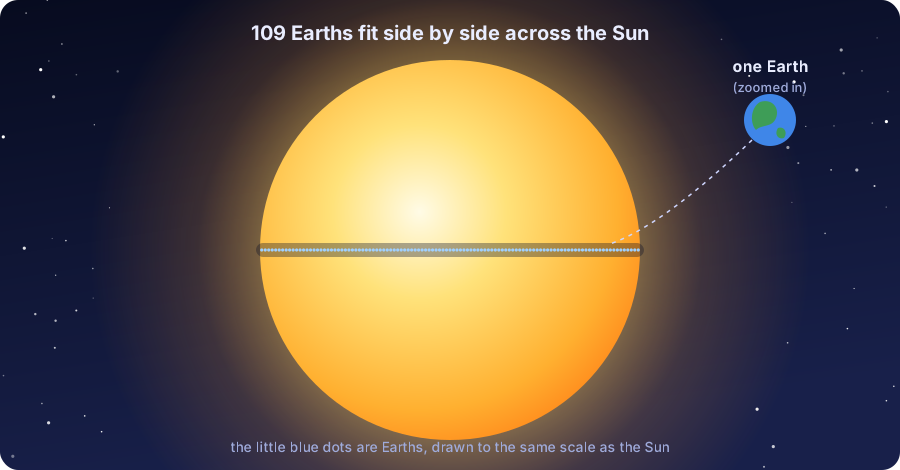
The Sun is also far bigger than the Earth. It only looks small because it is so far away: you would need 109 Earths side by side to stretch across it.
Words to know
- astronaut - a person who travels into space
Big idea
The Earth is the huge ball we all live on. It is so big that it looks flat to us, but from space you can see it is round. The Sun lights and warms it, one half at a time.